Freehold vs Leasehold in Malaysia: What Actually Changes
The short answer
Freehold has no end date. Leasehold runs for a fixed term, commonly 99 years, and banks lend less readily as the remaining term shortens. Leasehold is usually priced below a comparable freehold building in the same area, so the yield can be higher. Choose freehold for something you are buying to keep, and leasehold when the address is what you want and you have a view on when you will sell.
Every project on this site is marked freehold or leasehold, and buyers ask me about the difference more than anything else. Here is what it changes in practice — for the price you pay, the loan you get, the sale you make later and what your family inherits — without the folklore.
Want me to work it out for your own case? WhatsApp +60 17-279 8932.
1. Freehold: you own the land for as long as you like
Freehold title is ownership with no end date. The land and the building on it are yours and pass to your heirs; there is nothing to renew and no premium to pay to the state later.
- Inheritance is simple. The title transfers under a will or letters of administration. No renewal, no application.
- Resale is simpler. A Malaysian buyer needs no state consent to buy freehold from you. A foreign buyer still needs it, as with any purchase.
- Banks like it. A freehold title does not lose collateral value with age the way a lease does, so financing an older freehold unit is straightforward.
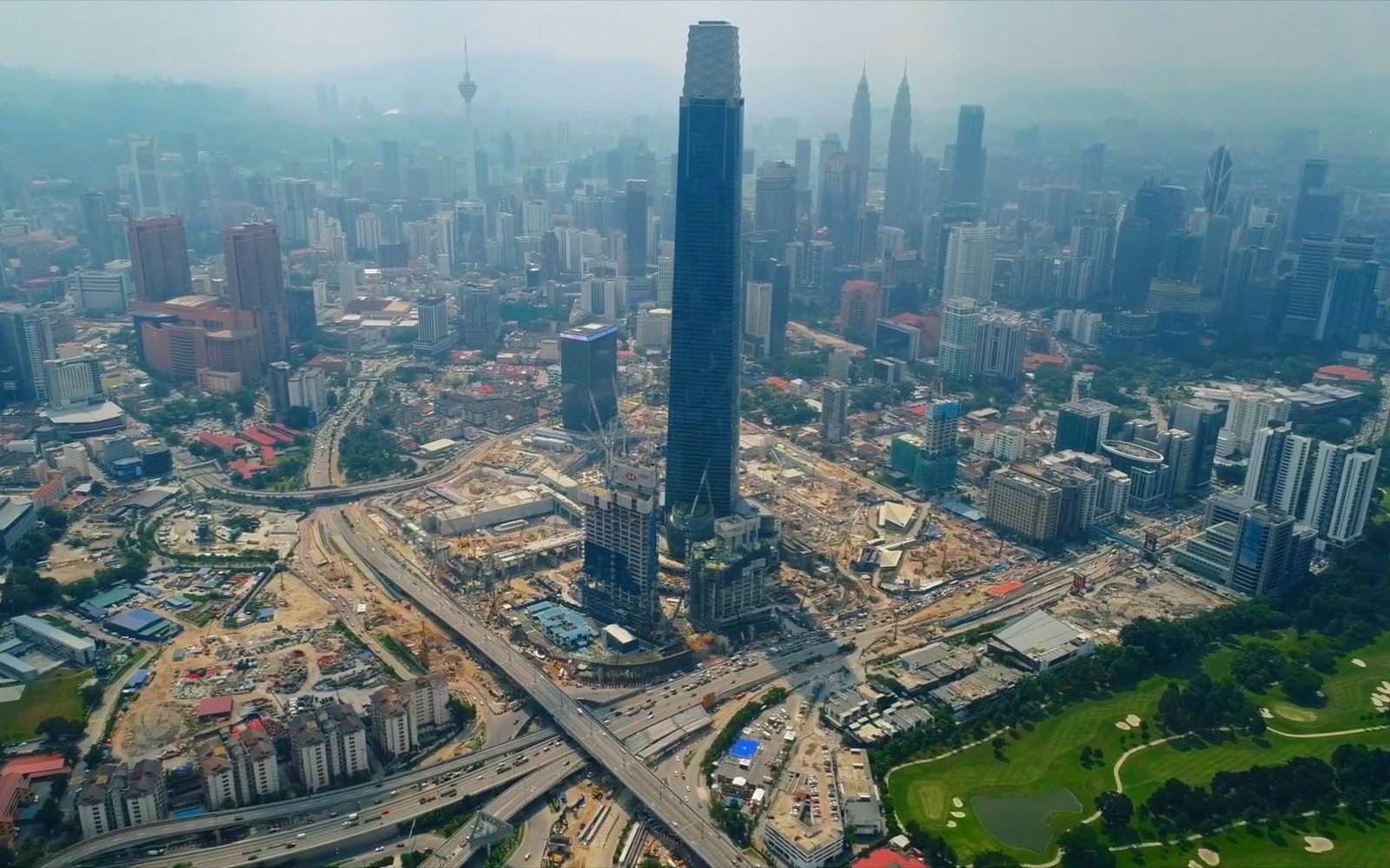
Freehold is why the KL City Centre launches I cover — CloutHaus, Conlay, Royal Lexis, Jewel by Oxley — lead with it: in that pocket of the city it is rare.
2. Leasehold: you own it for a fixed term
Leasehold gives you the property for a set number of years — 99 is the common term, some titles are shorter — after which the land reverts to the state unless the lease is extended, for a premium the state sets.
- The price is lower. For comparable buildings in the same area, leasehold is usually priced below freehold. How much lower depends on the area and the years left; compare the actual launches side by side rather than assuming a percentage.
- The yield can be higher. Rent does not care about tenure. A lower purchase price with the same rent is a higher yield — which is why leasehold suits a buyer who wants cash flow over a defined period.
- State consent where the title is restricted. State consent is needed when the title carries a restriction in interest, which is common on leasehold titles, and it adds time to a sale. A foreign buyer needs consent for the foreign purchase on top.
- The lease runs down. As the remaining term shortens, banks lend less readily and buyers grow fewer, and the value follows. Ask your bank at what remaining term its policy changes, and ask the state land office what an extension costs — both answers are specific to the state and the year.
Leasehold is not a reason to walk away. Several of the best-located launches in Bukit Jalil and the city centre are leasehold, and I say so plainly on each project page.
3. The verdict
| Freehold | Leasehold | |
|---|---|---|
| Term | No end date | Fixed, commonly 99 years |
| Price | Higher for the same building | Lower |
| Rental yield | Lower relative to price | Higher relative to price |
| Inheritance | Straightforward | Lease passes on; expiry or extension eventually |
| Resale | No state consent for Malaysian buyers | State consent where the title carries a restriction in interest, which is common |
| Financing later in life | Unaffected by age | Tightens as the remaining term shortens |
| Suits | Long holds, family assets | Cash flow over a defined period |
Choose freehold when you are buying something to keep — for yourself, your children, or as the anchor of a portfolio.
Choose leasehold when the address is what you want, the price difference funds it, and you have a view on when you will sell.
4. For foreign buyers
- Each state sets a minimum purchase price for foreigners — RM 1 million in Kuala Lumpur, RM 2 million in the core zones of Selangor, with Johor and Penang different again. Tenure does not change the threshold; my state-by-state guide has the figures.
- State consent for the foreign purchase is required on both tenures.
- Stamp duty on the transfer is a flat 8% for foreign individuals and foreign-incorporated companies buying residential property, on the price or market value, whichever is higher, for transfers executed from 1 January 2026 (it was a flat 4% in 2024 and 2025). Malaysian citizens and permanent residents pay the tiered 1% to 4% scale. Tenure makes no difference.
- Real Property Gains Tax applies on sale for both tenures, stepped by holding period with a separate schedule for non-citizens.
I am Shyan Yee, REN 46305, IQI Realty. If you are choosing between a freehold and a leasehold launch in the same area, message me on WhatsApp and I will put the two side by side with their real prices and fees.
Frequently Asked Questions
Can leaseholds be renewed?
Yes, by submitting an application to the land office and paying a calculated premium based on the land value.

Written by
Related articles
Need Personalized Advice on Malaysian Real Estate?
Speak with licensed senior agent Shyan Yee (REN 46305) for MM2H property consultations, help with the consent from the land authority that foreign buyers need (the state authority outside KL), and a curated project shortlist.